Riley Beck · 14 September 2026
Rural Talent Development Advances Through Integrated AI Ethics and Climate Research Programs
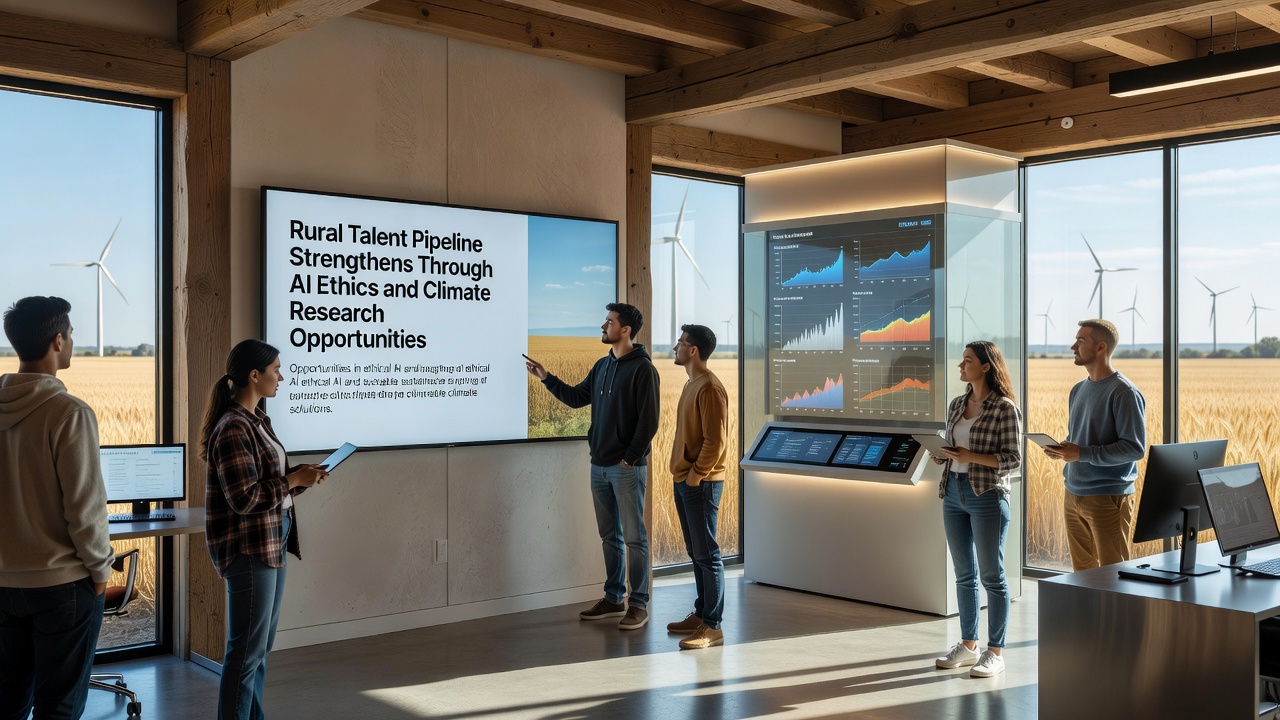
Programs focused on AI ethics and climate research continue to expand access for students in rural regions, creating structured pathways that connect local talent with advanced academic and professional opportunities, according to data from educational initiatives across multiple countries.
Observers note that rural communities often face limited infrastructure for specialized fields, yet partnerships between universities and regional organizations have begun to address these gaps by offering targeted training modules in ethical AI frameworks alongside climate modeling techniques, while September 2026 marks key application deadlines for several international cohorts.
Building Foundations in Underserved Areas
Research indicates that rural populations represent a growing share of participants in interdisciplinary studies, with enrollment figures showing increases of 15 to 20 percent in programs that combine technical skills with ethical analysis and environmental data collection, based on reports from the European Commission's AI ethics guidelines project.
Those who have tracked these developments point out that early exposure through school-based workshops helps students develop competencies in responsible algorithm design, which in turn supports applications in agriculture and resource management, and such efforts align with broader goals outlined in climate adaptation strategies from the Australian Department of Climate Change, Energy, the Environment and Water.
AI Ethics as a Core Component
AI ethics training emphasizes accountability, transparency, and bias mitigation, elements that researchers have integrated into curricula designed for remote learners through virtual labs and collaborative platforms, allowing participants to examine real-world scenarios involving data privacy in agricultural monitoring systems.
What's interesting is how these modules often pair with field exercises where students collect environmental metrics, then apply ethical review processes to ensure outputs respect community input, a method that has gained traction in pilot projects funded by national education ministries in Central Europe.
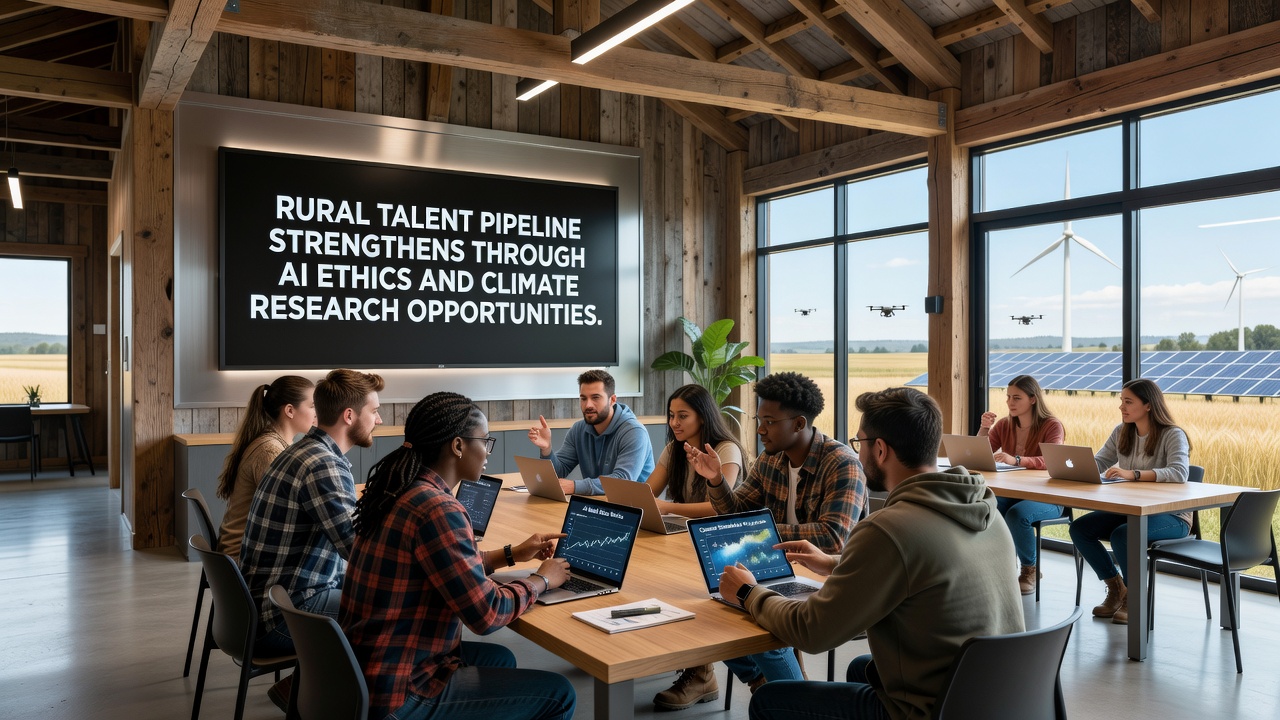
Evidence suggests that graduates from such combined programs frequently secure placements in research centers or policy advisory roles, with placement rates reported at over 70 percent within six months of completion in tracked cohorts from 2024 onward.
Climate Research Opportunities Expand Reach
Climate research components focus on local impacts such as soil degradation, water cycles, and biodiversity shifts, providing rural learners with tools to contribute directly to regional studies while building transferable skills in data analytics and predictive modeling.
But here's the thing: these opportunities often require cross-border collaboration, which online networks facilitated by platforms like awepath.edu.pl help coordinate, connecting participants with mentors from institutions in both the EU and North America.
Studies found that when rural students engage in climate data projects tied to ethical guidelines, retention in STEM pathways rises, particularly among first-generation learners who might otherwise encounter barriers related to travel or funding.
September 2026 Intake Highlights
Upcoming cycles scheduled for September 2026 include expanded funding streams for rural applicants pursuing joint certifications in AI governance and climate resilience, with selection criteria prioritizing demonstrated community engagement alongside academic performance.
Figures reveal that prior intakes have drawn participants from over 40 rural districts across Poland and neighboring countries, resulting in collaborative outputs such as open-source tools for ethical climate forecasting that local governments have adopted.
Conclusion
Integrated approaches linking AI ethics with climate research continue to strengthen talent pipelines in rural settings by delivering accessible, skill-focused education that aligns with emerging workforce demands, while ongoing evaluations track long-term outcomes for participants entering research and policy fields.